Powered Industrial Trucks (Forklift’s)

flt 2What are the hazards associated with operating powered industrial trucks?

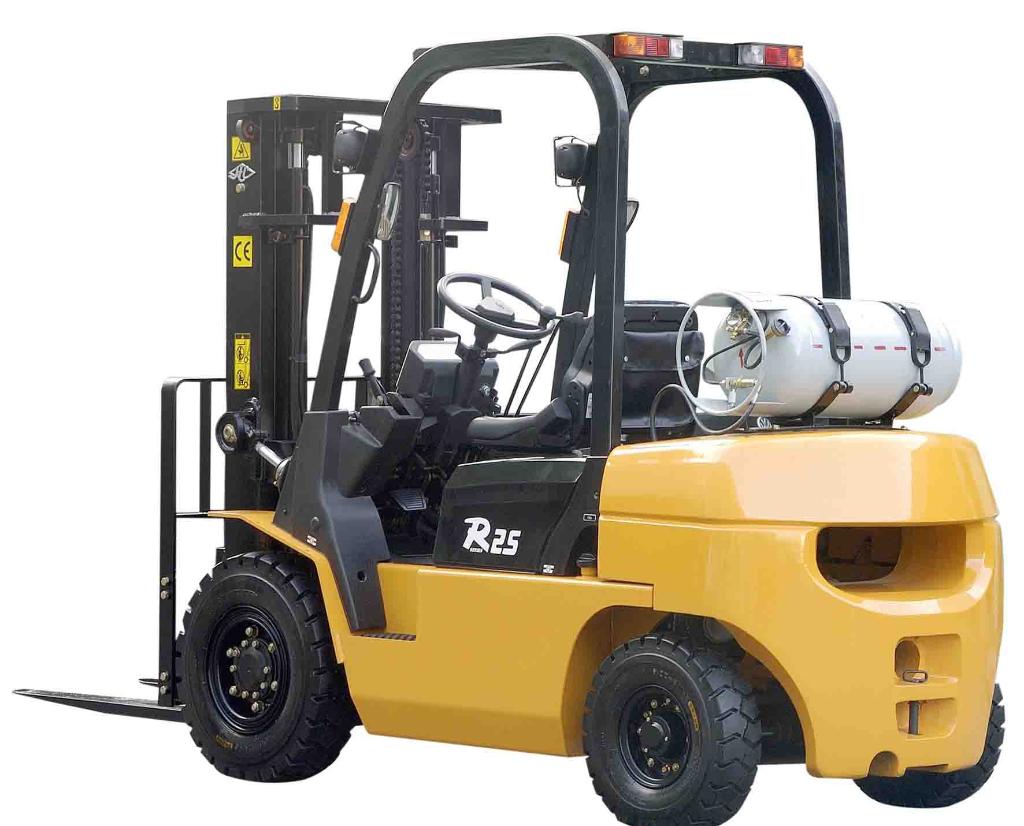
There are many types of powered industrial trucks. Each type presents different operating hazards. For example, a sit-down, counterbalanced high-lift rider truck is more likely than a motorized hand truck to be involved in a falling load accident because the sit-down rider truck can lift a load much higher than a hand truck. Workplace type and conditions are also factors in hazards commonly associated with powered industrial trucks. For example, retail establishments often face greater challenges than other worksites in maintaining pedestrian safety. Beyond that, many workers can also be injured when (1) lift trucks are inadvertently driven off loading docks; (2) lifts fall between docks and an unsecured trailer; (3) they are struck by a lift truck; or (4) they fall while on elevated pallets and tines.

What can be done to reduce the hazards related to powered industrial trucks?

Determining the best way to protect workers from injury largely depends on the type of truck operated and the worksite where it is being used. Employers must ensure that each powered industrial truck operator is competent to operate a powered industrial truck safely, as demonstrated by the successful completion of the training and evaluation specified in 29 CFR 1910.178(l)(1).
via Safety and Health Topics | Powered Industrial Trucks.

Things to Do After a Car Accident

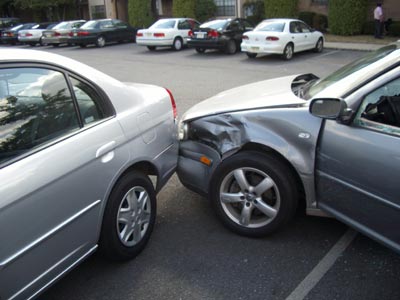
  • car-accident1Use your cell phone to take pictures of the accident.
  • If you are purchasing a new vehicle, be sure to note the standard and optional safety features, such as where and how many air bags come with the car. Research crash test results, and consider built-in monitoring services such as General Motors’ OnStar system. These can notify emergency personnel of an accident.
  • If you have a cell phone, make any calls you need to make either in the privacy of your car, if you can, or away from any witnesses. Again, do not try to explain what happened to anyone on the phone, e.g. the tow truck driver. Just say, there has been an accident.
  • Remain calm and above all remain silent. You will likely be disoriented and confused after a serious accident, even if think you’re uninjured. Many people will arrive at the scene of the accident and ask you “What happened?” You do not have to speak to anyone about what you think may have caused the accident. Above all, avoid saying anything that may incriminate you, such as “I’m sorry” or “I think it may have been speeding” etc. Such comments could end up causing you thousands of dollars.
  • Write a list to yourself of what to do in case of an accident and keep it in your glove box. Read it and follow the instructions which you wrote to yourself.
  • If you aren’t the one driving, in most, if not all cases, the middle back seat is the safest place to be, that is, with seatbelts. If the car crashes, you are in the middle seat and you are not wearing a seatbelt, you could be ejected from the vehicle, with fatal results.
  • Be sure to exchange information with others involved in the accident and get information from eyewitnesses.

via 3 Ways to Survive a Car Accident – wikiHow.

The Top 10 OSHA Violations of 2012

oshaviolations2012Most Cited Violations of 2012

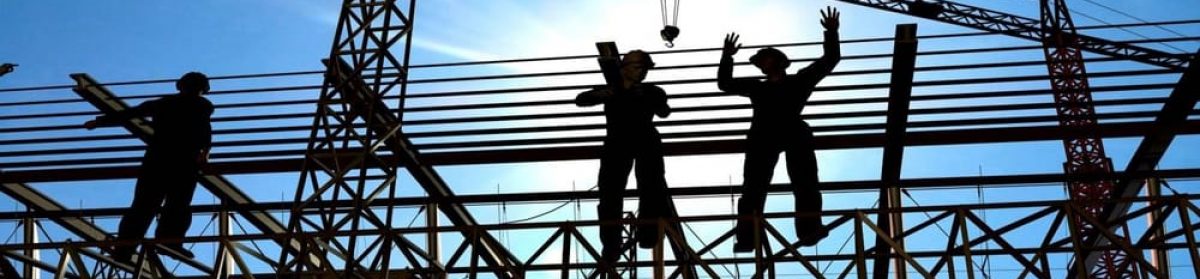
1. Fall Protection (29 CFR 1926.501)

2. Hazard Communication (29 CFR 1910.1200)  (mainly due to lack of training, labeling fail, access to MSDSs and lacking correct MSDSs)

3. Scaffolding (29 CFR 1926.451) –  (Big problem, people using scaffoldings as ladders and ladders as scaffolding, assuming one could work for the other.)

4. Respiratory Protection (1910.134)

5. Ladders (1926.1053)

6. Machine Guarding – General Requirement (29 CFR 1910.212)

7. Powered Industrial Trucks (29 CFR 1910.178)

8. Electrical – Wiring Methods (29 CFR 1910.305)

9. Control of Hazardous Energy – Lockout/Tagout (1910.147)

10.Electrical – General (29 CFR 1910.303)

via The Top 10 OSHA Violations of 2012.

Texting and Driving is a Deadly Combination

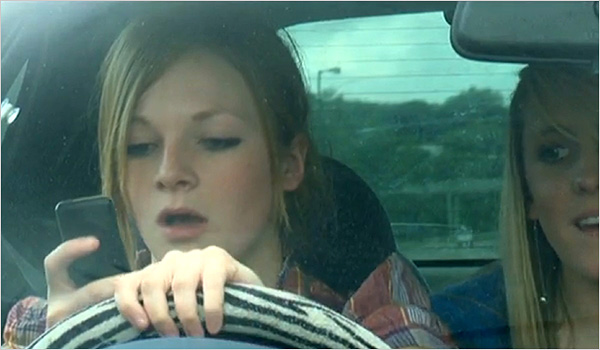
distracted_spanMost American teenagers are told not to text and drive, but the evidence is millions are not listening. In an analysis of a 2011 survey done by the Centers for Disease Control, 46 percent of drivers at age 17 admitted they texted while driving, a number that rose to 52 percent for drivers over 18. Distracted driving – including texting – is now the leading single cause of teenage fatalities.

via Study: Distracted driving deaths underreported – CBS News.

Occupational Noise Exposure

hearing-lossEvery year, approximately 30 million people in the United States are occupationally exposed to hazardous noise. Noise-related hearing loss has been listed as one of the most prevalent occupational health concerns in the United States for more than 25 years. Thousands of workers every year suffer from preventable hearing loss due to high workplace noise levels. Since 2004, the Bureau of Labor Statistics has reported that nearly 125,000 workers have suffered significant, permanent hearing loss. In 2009 alone, BLS reported more than 21,000 hearing loss cases.

via Safety and Health Topics | Occupational Noise Exposure.

Be Aware of Common Road Hazards

thumb75_Road-Hazard-SuggestedHere are the more common road hazards:

-Pedestrians: People crossing the street become a hazard when they fail to use pedestrian crosswalks. If it is the pedestrian’s right-of-way, then he or she should not have to yield for an oncoming vehicle.

-Children: Children are curious and can sometimes be left unattended. They may dart into the street for any toys or to chase any objects. Drivers should use extreme caution when driving through child-populated areas.

-Animals: Just like children, these creatures can be curious and unpredictable. Some animals may have the sense to get off the street, but those who do not increase the chance of causing an accident.

-Debris: This can be any loose objects on the street such as: tree branches, tires, bags, boxes, and objects that have fallen off another vehicle.

-Potholes and Uneven Roads: These items may cause damage to an automobile and can lead to a bigger accident involving two or more vehicles.

via Common Road Hazards.

Safety at Work:Reporting Near-miss and Close-calls

nearMissHow reporting close calls can prevent future incidents

  • Incidents occur every day at the workplace that could result in a serious injury or damage.
  • A near-miss program may help prevent future incidents.
  • One problem that companies face with near-miss programs is employees’ fear of being blamed after reporting a near miss.
  • Employers need to make the process of reporting a near miss as easy as possible.

via How reporting close calls can prevent future incidents.

Button Battery Safety

Button batteryButton batteries are dangerous to kids, especially toddlers, and cause severe injuries when swallowed.

Did You Know?

  • The coin-sized batteries children swallow come from many devices, most often mini remote controls.  Other places you may find them are: singing greeting cards, watches, bathroom scales and flameless candles.
  • It takes as little as two hours to cause severe burns once a coin-sized button battery has been swallowed.
  • Once burning begins, damage can continue even after the battery is removed.
  • Kids can still breathe with the button battery in their throats. It may not be obvious at first that something is wrong.
  • Repairing the damage is painful and can require multiple surgeries.
  • The batteries can become lodged in the throat, burning the esophagus.
  • Each year, about 3,500 button battery swallowing cases are reported to U.S. poison control centers.

via Button Battery Safety.

Construction Industry | Preventing Backovers

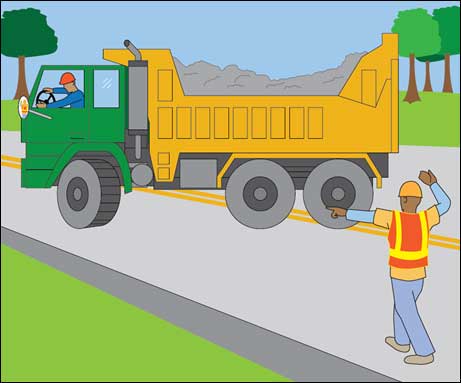
image1A backover incident occurs when a backing vehicle strikes a worker who is standing, walking, or kneeling behind the vehicle. These incidents can be prevented. According to the Bureau of Labor Statistics, over 70 workers died from backover incidents in 2011.

via Construction Industry | Preventing Backovers.